


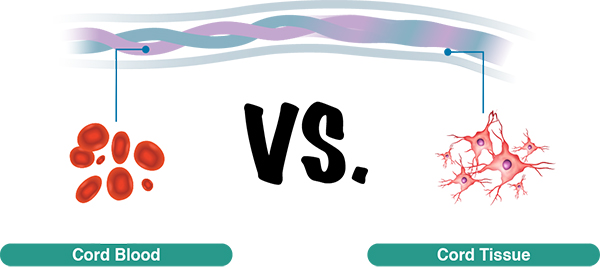
When expectant parents become aware of cord blood and stem cell banking during their pregnancies, one frequent inquiry which arises would be “What’s the difference between cord blood and cord tissue?” While both may be obtained through the umbilical cord following the delivery of the baby, it is important to point out that the two are quite distinct from one another, especially because they both harbor very different stem cells.
Gaining an insight into the distinctions between the two would allow expectant parents to have a clearer understanding on stem cell preservation for infants.
Understanding Stem Cells and Their Importance
Stem cells are often called the body’s “master cells” because they can develop into specialised cells and help repair or regenerate tissues. Researchers and clinicians have been studying stem cells for decades due to their potential role in treating blood disorders, immune conditions, and regenerative diseases.
One of the richest and safest sources of these cells is the umbilical cord, which is usually discarded after birth. Today, both cord blood and cord tissue can be collected immediately after delivery without causing pain or risk to the mother or baby.
What Is Cord Blood?
Cord blood is the blood that remains inside the umbilical cord and placenta after a baby is born. This blood is especially rich in hematopoietic stem cells (HSCs), which are responsible for forming blood and immune system cells.
These stem cells have been used in transplants for years and are currently utilised in the treatment of several blood-related disorders and immune conditions.
What Makes Cord Blood Valuable?
Unlike adult stem cells, cord blood stem cells are younger and less exposed to environmental factors. Research also suggests that cord blood may require less stringent matching compared to some other stem cell sources.
Current Medical Uses of Cord Blood Stem Cells
Cord blood stem cells are already being used in the treatment of more than 80 conditions, including:
-
Leukemia
-
Lymphoma
-
Thalassemia
-
Sickle cell disease
-
Certain immune deficiencies
Umbilical cord blood transplantation has become an established alternative to bone marrow transplantation in several hematologic conditions.
What Is Cord Tissue?
Cord tissue refers to the actual tissue of the umbilical cord, especially a gelatinous substance known as Wharton’s jelly. This tissue contains mesenchymal stem cells (MSCs), which are different from the stem cells found in cord blood.
Mesenchymal stem cells are being widely researched for their regenerative and immunomodulatory properties.
Why Are Cord Tissue Stem Cells Different?
While cord blood stem cells mainly help form blood and immune cells, MSCs found in cord tissue may develop into bone, cartilage, muscle, nerve, and connective tissue cells.
This is why cord tissue is gaining attention in regenerative medicine research.
Potential Applications of Cord Tissue Stem Cells
Although many therapies are still under clinical investigation, cord tissue stem cells are currently being explored in areas such as:
-
Tissue repair
-
Orthopaedic research
-
Cartilage regeneration
-
Autoimmune disease studies
-
Neurological research
-
Skin and wound healing research
Several ongoing studies continue to examine how MSCs may support future regenerative therapies.
Cord Blood vs. Cord Tissue: What’s the Main Difference?
The biggest difference lies in the type of stem cells they contain and how those cells may be used.1
|
Feature |
Cord Blood |
Cord Tissue |
|
Main Stem Cell Type |
Hematopoietic Stem Cells (HSCs) |
Mesenchymal Stem Cells (MSCs) |
|
Primary Function |
Forms blood and immune cells |
Supports tissue repair and regeneration |
|
Current Clinical Use |
Established treatments |
Mostly research and regenerative studies |
|
Source |
Blood inside umbilical cord |
Umbilical cord tissue |
|
Medical Focus |
Blood and immune disorders |
Regenerative medicine |
How Collection and Storage Work
The collection process happens immediately after birth once the umbilical cord has been clamped and cut.
-
Cord blood is collected from the cord using a sterile method
-
Cord tissue is then preserved separately for storage
The process is painless, non-invasive, and safe for both mother and baby. After collection, the samples are processed and cryopreserved at extremely low temperatures for long-term storage.
Who May Consider Stem Cell Banking?
Stem cell banking is a personal decision, but some parents may explore it more seriously if they:
-
Have a family history of blood disorders
-
Want access to emerging regenerative medicine options
-
Prefer preserving biological resources at birth
-
Are interested in future medical advancements
Since stem cells from the umbilical cord can only be collected once – at birth – many parents choose to learn about the option during pregnancy itself.
Common Misconceptions About Cord Blood and Cord Tissue
“Cord Blood and Cord Tissue Are the Same”
They come from the same umbilical cord, but they contain different stem cells with different therapeutic roles.
“Cord Tissue Has No Medical Value Yet”
While many cord tissue applications are still being researched, MSCs are already a major focus area in regenerative medicine studies worldwide.
“The Collection Process Is Risky”
Collection is done after delivery and does not interfere with childbirth or harm the baby.
Final Thoughts
Cord blood and cord tissue stem cells are different, but both hold unique medical significance.
Cord blood is already widely used in treating several blood and immune disorders, while cord tissue stem cells are opening new possibilities in regenerative medicine research. Together, they provide access to two valuable types of stem cells collected from a single source – your baby’s umbilical cord.
For many families, banking both is about preserving future possibilities while taking advantage of a one-time opportunity available only at birth.