


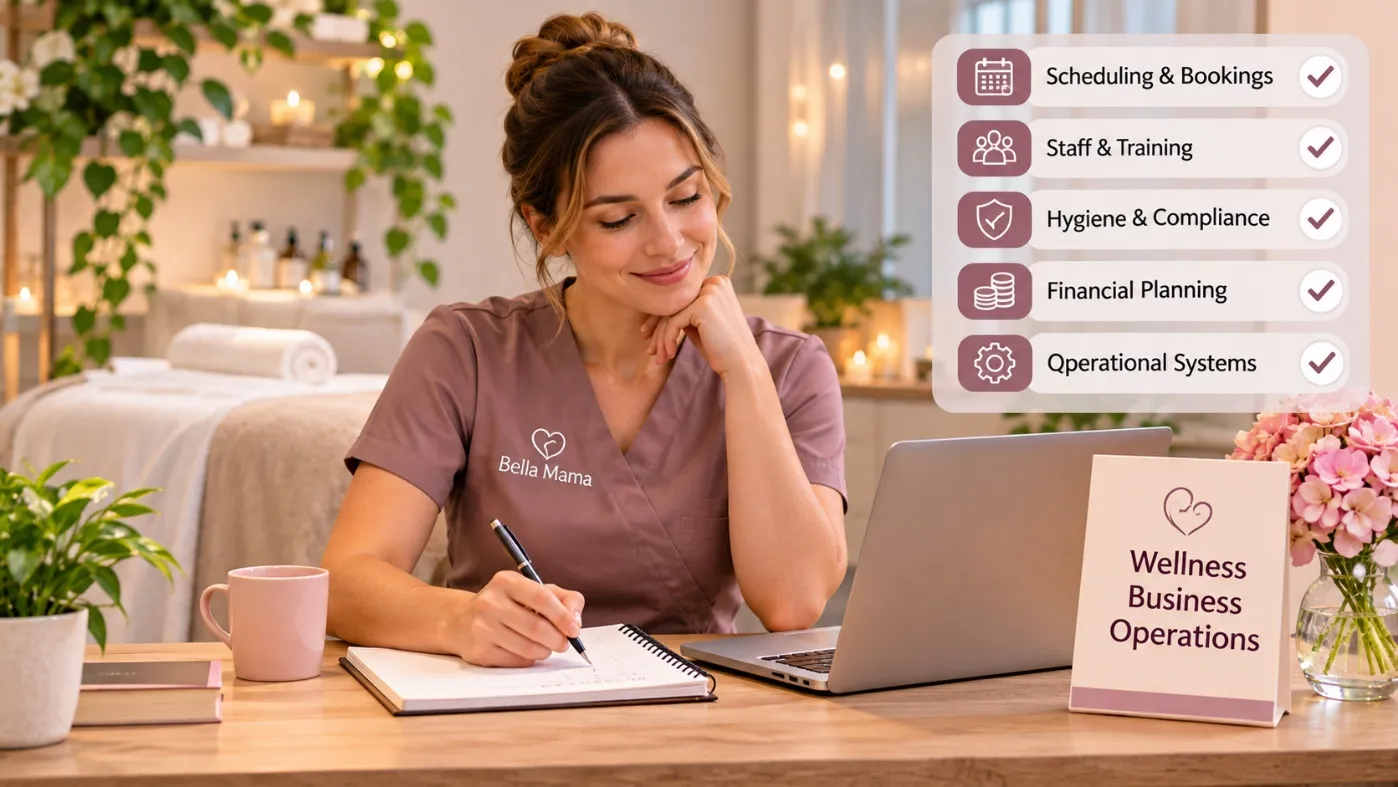
Most people picture wellness ownership as candles, calm music, and quiet afternoons. Reality is busier. Behind every serene appointment sits scheduling, hygiene routines, staff coordination, and careful financial planning. Anyone exploring the wellness franchise New Zealand market should understand that the calm customers experience is the product of disciplined systems. This article walks through the operational side of ownership, highlighting the practical habits that keep a spa running smoothly and the questions genuinely worth asking before committing any money or time.
Mornings Start Before the First Client
Opening a treatment space involves far more than unlocking the door. Rooms need preparing, linen needs checking, equipment needs sanitising, and the day’s bookings need reviewing for special requirements. A short, consistent opening routine prevents small oversights from becoming client complaints. Good teams treat this ritual seriously because it sets the tone for everything that follows, ensuring each person arriving feels the space was prepared specifically and carefully for them. Checklists may sound dull, yet they quietly protect both quality and reputation.
Scheduling Is a Quiet Profit Lever
Appointment books look simple until gaps, late arrivals, and cancellations start eating into revenue. Smart scheduling balances therapist availability, treatment lengths, and buffer time for cleaning and rest. Online booking, reminder messages, and clear cancellation policies reduce no-shows without sounding harsh. Owners who review their calendar patterns monthly often discover small adjustments, such as shifting start times or adding evening slots, that noticeably improve utilisation without increasing staffing costs. Data beats guesswork, and a simple spreadsheet is often enough to begin.
Hiring and Keeping Skilled Therapists
Talented therapists are the heart of any spa, and good ones have choices. Competitive pay matters, yet so do predictable rosters, respectful management, and visible pathways for development. Owners who invest in coaching and recognise good work tend to keep staff longer, which protects client relationships built over many visits. High turnover is costly, not only in recruitment spending but also in the loss of familiarity that regular clients value. Culture, in other words, is a financial decision as much as a human one.
Hygiene, Compliance, and Peace of Mind
Clients rarely praise cleanliness, yet they notice immediately when it is missing. Robust hygiene protocols, accurate records, and up-to-date staff qualifications protect both customers and the business. Compliance with local health, safety, and employment requirements should be built into daily habits rather than treated as an annual scramble. When these basics run smoothly, owners gain something valuable: the freedom to focus attention on service quality and growth instead of avoidable problems. That freedom is easy to underestimate until it suddenly disappears.
Where Systems Make the Difference
Standardised processes explain why many owners compare massage franchise opportunities NZ before starting from scratch, since proven checklists, training, and supplier relationships save months of trial and error. Systems do not remove the need for good judgement, but they free owners from reinventing basics. Still, the quality of support varies widely, so ask exactly what is provided before launch, during the first year, and afterwards. Clear answers reveal how genuinely committed a franchisor is to its partners over the long term.
Money Matters Beyond Opening Day
Initial investment is only the first financial chapter. Owners also need to understand rent, wages, insurance, consumables, marketing, and ongoing fees, along with seasonal swings in demand. Building a cash buffer for slower months prevents panic decisions. Reviewing profit and loss statements regularly, rather than once a year, helps owners spot rising costs early and respond before small leaks become serious problems for the business. Financial literacy is not glamorous, but it is what keeps a beautiful space open for years.
A Practical Takeaway
Running a spa blends hospitality, healthcare awareness, and small-business discipline. Those who succeed tend to respect routines, look after their people, and watch the numbers closely. If you would like to see how one established brand structures its training, investment, and support for new owners, visit bellamamafranchise.com and read the information it provides. Asking detailed questions early is the best way to decide whether ownership fits your goals, lifestyle, and appetite for steady, hands-on work. Preparation always beats optimism in this industry.