


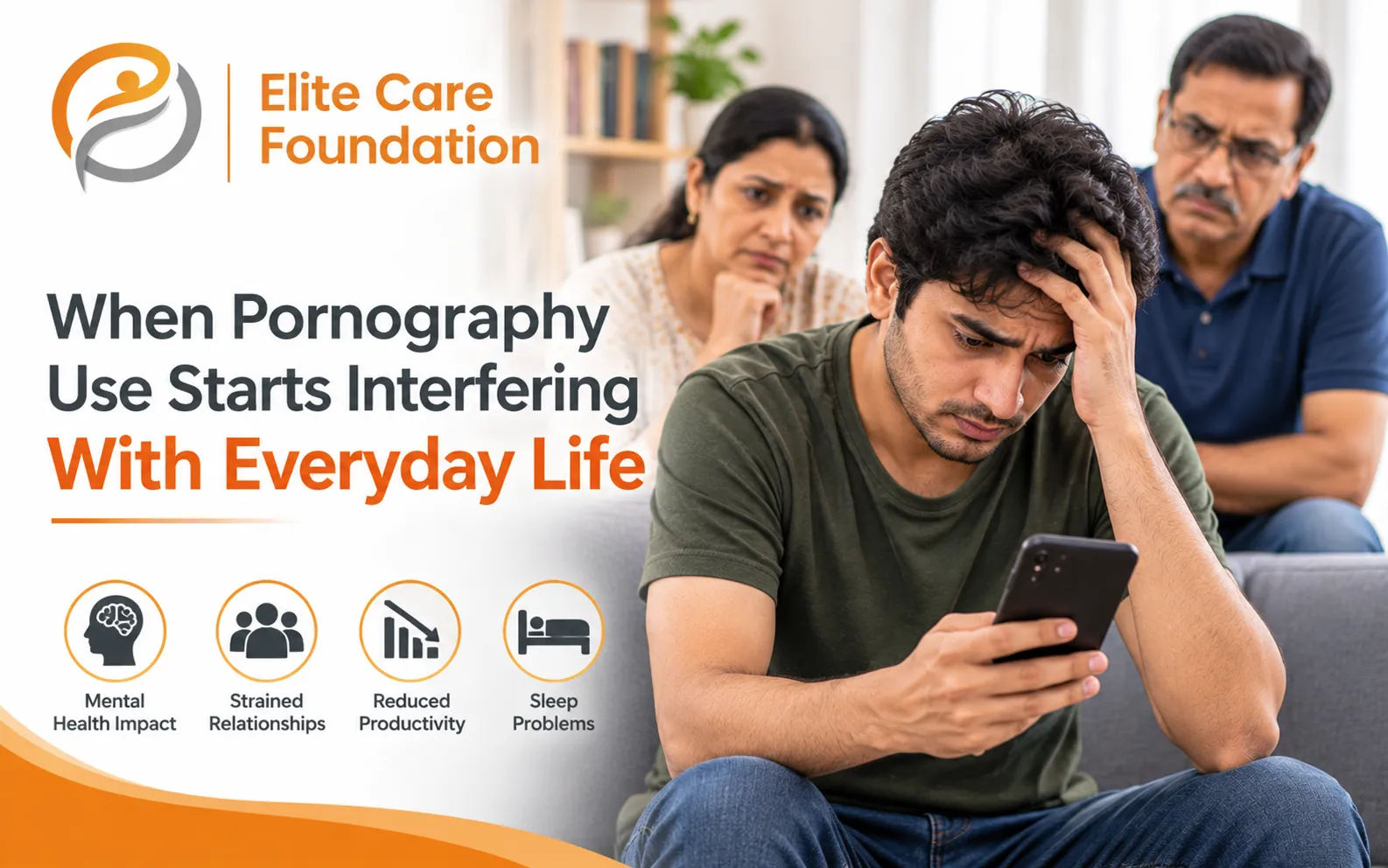
The problem is not whether someone has watched pornography. It is whether their behaviour has become difficult to control and is taking a genuine toll on daily life. A person might be losing sleep, missing work or avoiding a relationship while repeatedly trying, without success, to change a pattern that troubles them. Another person may view the same material without any such difficulties.
The popular label “porn addiction” can make these situations sound more medically settled than they are. The World Health Organization does not list pornography addiction as a separate diagnosis in ICD-11. It does recognise compulsive sexual behaviour disorder, which may involve pornography, when particular clinical criteria are met. Neither a high sex drive nor guilt about personal values is enough by itself.
Frequency alone cannot diagnose a disorder
Clinicians look for a sustained pattern of reduced control, unsuccessful efforts to cut down and continued behaviour despite significant harm. ICD-11 describes an extended period, for example six months or more, with marked distress or impairment. Crucially, distress based solely on moral judgements is not enough for this diagnosis.
Consider someone whose main distress comes from a conflict between their behaviour and their religious or personal beliefs. That distress is real and may deserve sensitive counselling. It does not, on its own, establish compulsive sexual behaviour disorder. A different assessment may be needed when there is sustained loss of control together with serious effects on work, relationships or health.
Ask about what is happening outside the screen. Is sleep being lost? Are friendships disappearing? Has work suffered? Is the behaviour a way of avoiding anxiety or loneliness? These details tell a clinician more than a weekly viewing estimate.
A private problem can still affect other people
Secrecy often creates a second difficulty. A partner may discover concealed payments or repeated broken agreements and feel betrayed. The individual may respond with defensiveness because they are ashamed. Arguments then focus on passwords and surveillance rather than what needs to change.
A helpful first conversation separates honesty from humiliation. A partner can describe the effect on trust without demanding graphic details. The person seeking help can acknowledge concealment, explain what support they are prepared to accept and agree on realistic boundaries. Both may benefit from professional support; couples work is not always appropriate, especially where coercion or abuse is present.
A local search such as nasha mukti kendra titwala may bring up organisations that mainly treat alcohol or other drug problems. Before booking an appointment for pornography-related concerns, ask whether a qualified mental health professional can assess compulsive sexual behaviour. Experience with medically supervised detoxification does not automatically mean expertise in this area.
What an assessment should explore
An ethical evaluation looks beyond pornography itself. Depression, anxiety, obsessive symptoms, trauma, bipolar-spectrum symptoms and medication effects can affect sexual behaviour or the person’s interpretation of it. Clinicians also need to distinguish consensual adult behaviour from any activity involving coercion, exploitation or illegal material; the latter raises immediate safeguarding and legal responsibilities.
There is no blood test or reliable numerical threshold that diagnoses pornography-related compulsivity. Nor is there one universally established medicine that cures it. Psychotherapy can examine triggers, beliefs, emotional regulation, avoidance patterns and relationship repair. Treatment choices depend on the clinical findings, personal goals and evidence available for the particular approach.
Practical changes may include moving devices away from the bedroom, identifying times when urges become harder to manage, restoring sleep routines and developing alternatives for dealing with stress. These steps work better when they support a wider therapeutic plan, rather than becoming a system of punishment.
When the concern involves a teenager
Parents may come across pornography on a teenager’s phone and react with alarm. A single discovery does not establish compulsive behaviour. Age-appropriate sexual health education, online safety, privacy and an open conversation are more useful starting points than threats. If the material involves exploitation, an adult contacting a child, coercion or other safeguarding concerns, seek appropriate professional and legal support promptly. Treatment decisions for adolescents need specialist assessment and should not simply copy an adult programme.
What respectful care should feel like
People seeking porn addiction help should feel able to ask difficult questions before sharing personal details. Who will see their information? Is counselling confidential within the limits of law and safety? Will the clinician explore other explanations for the behaviour? A responsible answer does not depend on shame, a fixed number of sessions or promises that urges will disappear forever.
Claims that a certain percentage of pornography viewers are “addicted” often miss the distinction between frequency, distress and a clinical disorder. ICD-11 instead asks about an extended pattern of impaired control and meaningful harm; its description gives six months or more as an example of duration. Someone in immediate distress need not wait six months to ask for support.
Privacy, honesty and self-control matter more than an alarming label. A person who seeks help should leave an assessment with a clearer account of the problem, sensible next steps and respect for their dignity. A partner who has been hurt may also need support, even when the individual does not meet the criteria for a psychiatric diagnosis.