


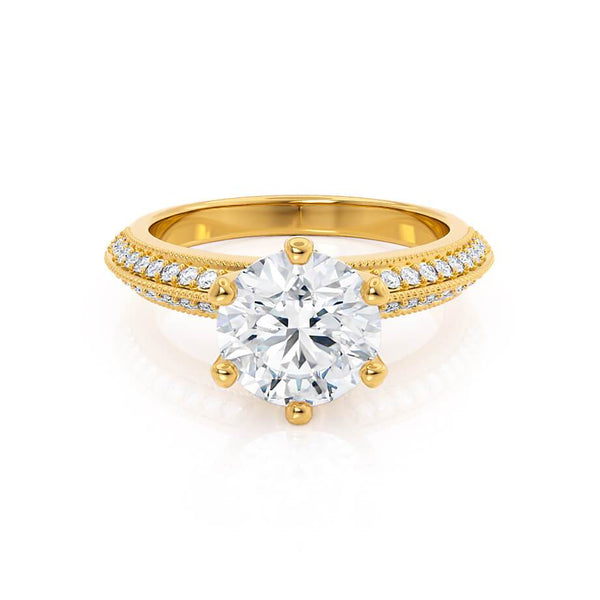
In today’s competitive market, discerning customers look beyond simple aesthetics when evaluating what truly sets a luxury product apart. Brands like lily arkwright exemplify how the commitment to meticulous craftsmanship shapes the meaning of luxury for modern consumers. When attention to detail becomes a philosophy rather than a step in the production process, the result is a product that carries enduring value, emotional resonance and a reputation for excellence.
Luxury has long been associated with rarity, prestige and superior quality, but the concept has evolved. Consumers are no longer impressed by high price tags alone; they seek authenticity and genuine artistry behind the items they choose. This shift places craftsmanship at the heart of luxury because the human element transforms materials into objects of distinction. When artisans devote time, precision and passion to their work, the final creation becomes a representation of expertise and heritage.
Craftsmanship dedication also defines luxury because it is rooted in tradition. Many premium products reflect techniques passed down through generations, preserving cultural and artistic legacies. These methods often require years of training and patience, and they rely on a level of hands-on skill that machines cannot replicate. When a luxury item showcases the nuances of hand finishing, delicate shaping or individually inspected components, it tells a story that resonates with those who appreciate authenticity. This narrative of heritage enhances the emotional connection between the buyer and the product, making it feel personal and meaningful.
Another defining factor is the precision behind every component. Luxury craftsmanship emphasizes not only the visible elements but also the hidden details that support durability, comfort and functionality. The dedication to perfecting each layer, seam or structural element ensures that the product performs flawlessly and withstands the test of time. This commitment underscores the belief that luxury is not merely about appearance; it is about creating something built to last. Consumers view this longevity as a promise of value, knowing that they are investing in excellence rather than trend-driven disposability.
Luxury standards are also shaped by ethical and thoughtful production. Today’s buyers want transparency, sustainability and integrity from the brands they support. Craftsmanship inherently aligns with these expectations because it prioritizes mindful creation over mass manufacturing. Handcrafted or carefully engineered products typically require fewer shortcuts, leading to less waste and more responsible use of resources. This slower, more intentional approach mirrors the principles of conscious consumption where authenticity and quality outweigh convenience.
Moreover, craftsmanship dedication elevates luxury by creating a sense of exclusivity. When items are crafted with care, production volumes tend to be lower, making each piece feel unique. Limited quantities, personalized finishing options or bespoke processes contribute to a sense of individuality that mass-market goods cannot match. Owning a luxury item becomes an experience centered on the appreciation of artistry rather than simple possession.
Ultimately, craftsmanship defines luxury because it reflects the pursuit of perfection. It represents patience, expertise and a relentless commitment to quality that distinguishes exceptional products from ordinary ones. Luxury buyers gravitate toward brands that treat each item as a work of art, understanding that the real value lies in the effort, skill and intention behind its creation. As expectations continue to rise, craftsmanship remains the most enduring measure of what true luxury should embody.
