


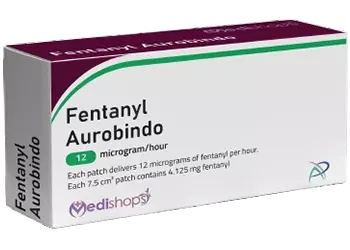
Chronic pain can make everyday tasks seem impossible. For patients, especially those suffering from pain caused by cancer, nerve damage, or chronic injury, oral medications are no longer the answer they need. That’s when fentanyl patches become an easy and effective solution for around-the-clock pain relief.
In this blog, you will understand two of the most popular options: the fentanyl patch 12 and the fentanyl patch 50, discussing the differences, who they are suitable for, and how they can improve quality of life.
What Is a Fentanyl Patch?
A fentanyl patch is a transdermal patch that delivers fentanyl, an opioid pain medication. Fentanyl is very potent and is slowly released into the bloodstream through the skin. As opposed to injections or tablets that last for a short while, patches deliver constant pain relief for up to 72 hours.
They are ideal for people who need consistent, steady pain relief for an extended period, and they do away with having to remember to take numerous doses per day.
Benefits of the Fentanyl Patch 12
- Regular relief for up to 72 hours
- Easy to use — just place it on clean skin.
- Best for those who cannot swallow pills
- Reduces peaks and dips of pain relief
- Best for those who are sensitive to large doses
When the Fentanyl Patch 50 Is Needed
The fentanyl patch 50 contains a much stronger dose — 50 micrograms per hour. It’s best for opioid-tolerant patients who already take strong pain medications and wish to maintain pain under control with a more powerful dose.
This patch is best for:
- Patients with severe chronic pain
- Patients who are already on high-dose opioid medications.
- Cancer patients with severe illness
- Those who are under close medical supervision
Because of its strength, this patch is only recommended for people already familiar with opioid treatment.
Benefits of the Fentanyl Patch 50
- Delivers severe, long-lasting pain relief
- Reduces the need for additional pain medication
- Improves sleeping, mobility, and overall comfort
- It should only be replaced every three days.
Are There Side Effects?
As with all opioids, fentanyl has side effects. Use the patch only as instructed and never use more than one patch simultaneously unless told to do so.
Common Side Effects:
Drowsiness
Dizziness
Nausea or vomiting
Constipation
Redness of the skin where the patch was applied
Serious Side Effects (Get Help Right Away):
Difficulty breathing or shallow breathing
Being extremely sleepy or confused
Fainting
Allergic reaction
Tip: Never warm the patch (heating pads, hot shower, direct sunlight), because this will cause the patch to release the drug too quickly and cause an overdose.
How to Use a Fentanyl Patch Safely
Whether you are applying the fentanyl patch 12 or the fentanyl patch 50, proper application is key:
- Apply to hairless, dry, clean upper body area
- Press firmly for 30 seconds to achieve good contact
- Wash your hands after application
- Replace the patch every 72 hours, rotating sites each time
- Do not cut, split, or modify the patch
Safely dispose of used patches fold in half, sticky sides together, and dispose of as per local regulations.
Conclusion
Suffering from chronic pain can be a burden, but you don’t have to bear it by yourself. Products like the fentanyl patch 12 and fentanyl patch 50 offer persistent relief that can restore a sense of normalcy and control. A soft place to begin or a stronger alternative, you’ll see there’s a path to guide you along the way.
When you’re ready to purchase, rely on Medishops — your reliable European online pharmacy.