


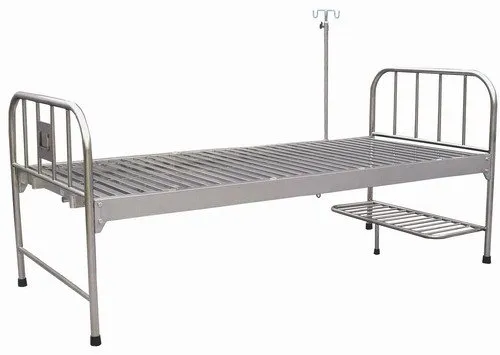
Choosing an exam bed vendor for a clinic requires more careful comparison than most buyers give it upfront, since these units run for years under constant daily handling. Prices vary considerably between manufacturers, upholstery quality differs more than glossy catalogs suggest, and some suppliers skip proper hydraulic testing that only reveals problems months after installation begins in practice. Whether you’re outfitting a diagnostic center or a general practice office, understanding what separates a genuine Medical Examination Bed Manufacturer in Argentina from a mediocre supplier saves both budget and future frustration. This guide covers the practical factors worth checking.
Hydraulic System Reliability Standards
Height adjustment mechanisms take constant abuse, raised and lowered repeatedly throughout each shift, sometimes dozens of times across a busy clinical schedule without much rest between uses. Cheap hydraulics fail within a year or two, leaving staff stuck with manual workarounds that slow examinations considerably during already hectic days. Ask manufacturers directly about cycle testing data rather than accepting vague marketing claims printed somewhere convenient on a brochure. A bed jamming mid-examination isn’t just inconvenient; it’s a genuine safety concern.
Upholstery Grade and Seam Durability
Vinyl quality differs enormously across manufacturers, and patients notice within seconds of sitting down, whether they mention anything or simply shift uncomfortably in silence. Thin padding compresses fast, and seams crack within months once regular use and cleaning chemicals start taking their toll consistently. A trustworthy Aluminium Wheelchair Supplier in Uruguay deals with similar material sourcing questions across their broader product range, and that same scrutiny should apply here too; always request physical samples before committing to bulk purchases.
Weight Capacity Testing Standards
Standard exam beds often list capacity figures that sound generous on paper but fall short once dynamic movement enters the equation, not just static seated weight measured alone. Ask for both static and dynamic capacity ratings separately, since these numbers frequently differ in ways that genuinely matter for safety planning across diverse patient populations. Clinics serving varied demographics should lean toward higher capacity models regardless of typical patient size, purely as a sensible buffer nobody regrets having.
Frame Construction and Joint Strength
Frame stability affects both patient confidence and long-term durability under years of repeated clinical handling and constant adjustment cycles throughout daily operations. Ask about weld quality and joint reinforcement specifically, since these details determine whether a bed holds up well beyond the initial warranty period comfortably over time. Request load testing certificates rather than accepting verbal assurances about strength ratings that sound reassuring but ultimately mean little without proper documentation backing claims.
Comparing Vendor Pricing Structures
Lowest quoted price rarely reflects true long-term value once maintenance costs and eventual replacement parts enter the picture across several years of clinical use. Request itemized quotes covering base unit cost, upholstery options, and warranty terms clearly spelled out in writing before making any final decision on vendors. Compare at least three vendors side by side, since pricing structures vary more than most buyers initially expect walking into these negotiations. Factor total ownership cost across multiple years realistically.
Delivery Timelines and Setup Support
Lead times swing considerably between manufacturers, sometimes differing by several weeks for essentially comparable bed specifications and upholstery choices offered across vendors. Confirm realistic delivery estimates upfront rather than accepting optimistic numbers salespeople quote purely to close a deal faster than reasonable timelines allow. Ask whether installation support comes included, since these beds occasionally require assembly that untrained clinic staff genuinely shouldn’t attempt handling alone without proper guidance provided beforehand.
Warranty Coverage and Repair Access
Warranty length reveals quite a lot about how confident a manufacturer actually feels regarding their own hydraulic and structural quality overall across their product line. Look for coverage extending at least two years on hydraulic components specifically, since those parts experience the heaviest wear under regular clinical use patterns consistently. Ask about local repair support too, since shipping a broken bed back overseas for warranty service disrupts clinic operations in ways facilities simply cannot absorb comfortably.
Conclusion
Selecting an exam bed manufacturer involves weighing considerably more factors than most clinics expect when they first begin comparing available options across the market. From hydraulic reliability to upholstery quality to realistic delivery timelines, each element shapes whether the purchase holds up well across years of continuous clinical use, not just the initial installation period. Taking time to verify certifications, request real samples, and compare total ownership costs pays off substantially down the road for busy practices navigating this decision. Patience during this process tends to prevent costly replacements and disruptions to patient care later.