


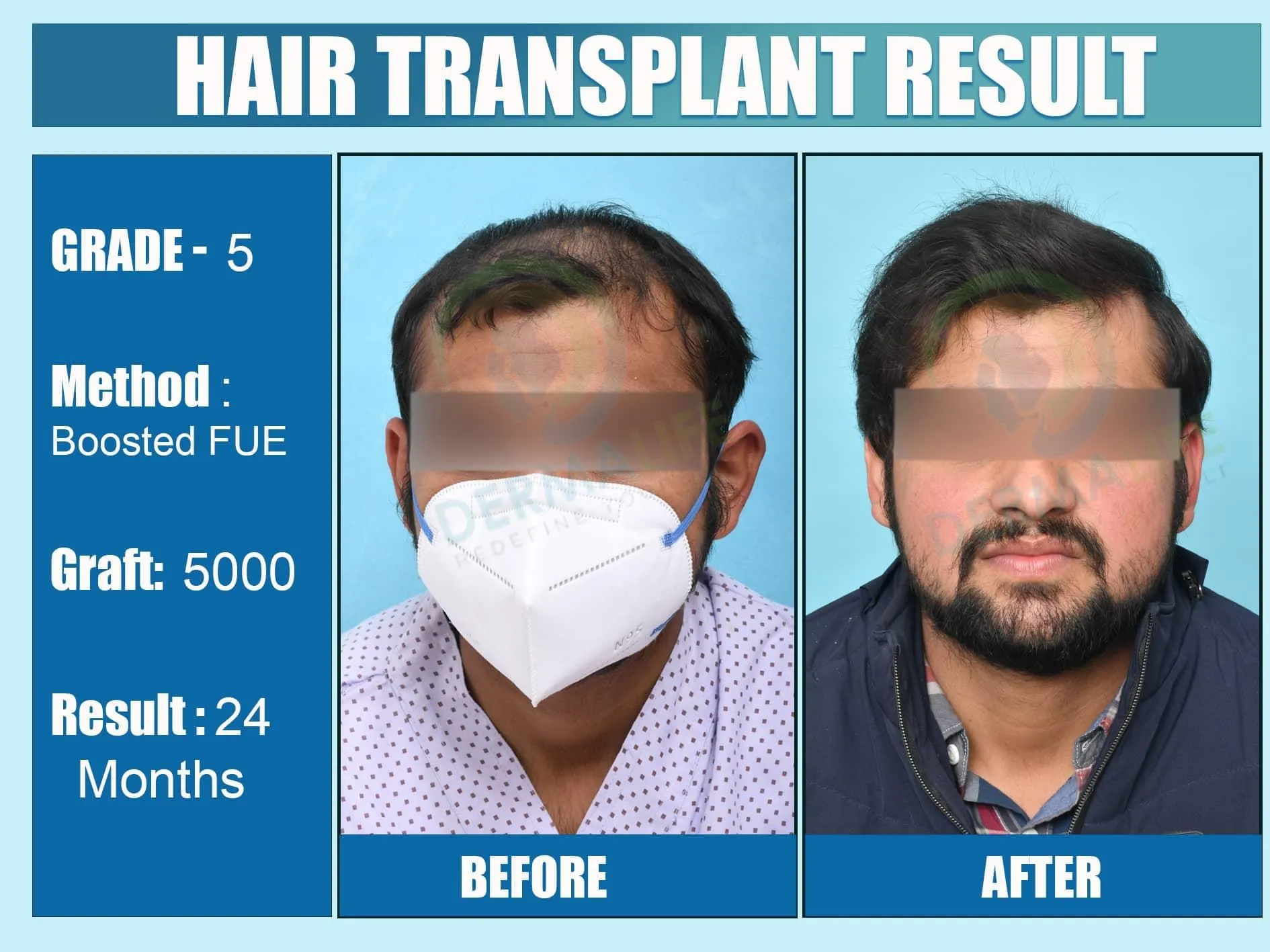
Alopecia and progressive pattern baldness can profoundly impact self-confidence, leading millions to seek reliable, long-term restorative solutions. Among all contemporary hair restoration methods, hair transplantation stands out as the gold standard. However, the most frequent concern prospective patients voice is: Will the transplanted hair actually look and grow naturally?
The short answer is yes—modern hair transplantation is specifically engineered to mirror physiological hair growth patterns, texture, and direction. However, achieving an undetectable, fully natural result requires a deep synthesis of advanced surgical science, artistic precision, and biological harmony.
The Biological Foundation of Natural Hair Growth
To understand how a surgical procedure yields completely natural hair growth, one must look at the underlying biology of hair follicles. Natural hair does not emerge from the scalp in single, isolated strands evenly spaced out like bristles on a toothbrush. Instead, natural scalp hair grows in tiny, distinct anatomical clusters called follicular units, which typically contain 1 to 4 individual hairs, along with supporting sebaceous glands, nerves, and microscopic muscles.
Modern hair restoration techniques—specifically Follicular Unit Extraction (FUE) and Follicular Unit Transplantation (FUT)—respect this natural anatomical organization. Rather than transplanting arbitrary plugs or large tissue strips, modern surgeons harvest and graft intact follicular units.
When these donor units are harvested from the genetic donor zone (typically the back and sides of the scalp) and transplanted into bald or thinning regions, they retain their original biological structure and behavior. Because the donor follicles maintain their native growth cycle, the newly transplanted hair undergoes normal biological phases:
-
Anagen Phase (Growth): The active growth phase where the hair shaft lengthens by approximately half an inch per month.
-
Catagen Phase (Transition): A short regression phase lasting a few weeks where the follicle shrinks.
-
Telogen Phase (Resting): A 3-to-4 month phase where old hair sheds naturally before a new strand emerges from the same follicle.
Because these transplanted follicles retain their inherent genetic programming, they produce real, growing human hair that can be cut, washed, styled, and dyed just like the hair you were born with.
The Role of Micro-Grafting and Angulation
While the biological integrity of the follicle ensures that the hair grows, surgical execution dictates whether the result looks natural. A successful procedure requires blending medical expertise with fine artistic judgement.
1. Correct Direction and Exit Angles
Hair does not sprout straight up out of the human scalp at a 90-degree angle. Depending on the region of the scalp—the frontal hairline, mid-scalp, temporal corners, or crown (vertex)—hair emerges at precise acute angles ranging from 10 to 45 degrees. Furthermore, natural hair exhibits specific rotational patterns, such as the natural whorl of the crown or the subtle lateral flow at the temples.
A skilled surgeon meticulously creates recipient sites with exact depth, direction, and exit angles. If recipient incisions are placed too steeply or pointed in unnatural directions, the hair will grow out awkwardly, making styling difficult and betraying the fact that a surgical procedure took place.
2. Micro-Graft Density and Distribution
Natural density varies across the human scalp. The hairline features soft, low-density coverage made up exclusively of single-hair follicular units. Moving backward toward the mid-scalp and vertex, density gradually increases, featuring double-, triple-, and quadruple-hair units that provide maximum visual volume and light coverage.
Advanced hair restoration clinics utilize microscopic dissection to categorize harvested grafts precisely. Single-hair grafts are reserved strictly for the leading edge of the hairline to prevent a harsh, artificial transition, while multi-hair grafts are packed strategically behind them to build dense, natural volume.
Why Modern Surgical Expertise Matters for Natural Results
Natural hair growth after a hair transplant is not an automatic outcome; it is the direct reflection of the operating surgeon’s training, surgical skill, and anatomical vision. Patient outcomes rely heavily on choosing an accredited, experienced medical professional who specializes strictly in advanced dermatological surgery and hair restoration.
When evaluating your options, consulting an internationally recognized expert makes all the difference. For instance, Dr. Gaurav Garg, founder and director of Dermalife Hair and Skin Clinic in Delhi, emphasizes that achieving natural hair growth requires treating every patient’s scalp as a unique canvas. Having completed his M.B.B.S. and M.D. in Dermatology & Venereology from the prestigious Seth G.S. Medical College and KEM Hospital in Mumbai, followed by a prestigious Fellowship in Dermato-Surgery at P.G.I. Chandigarh, Dr. Garg brings an unmatched clinical background to hair restoration.
Furthermore, as a Fellow in Hair Transplant Surgery from Dr. Alex’s Hair Transplant Clinic in Israel and a Fellow in Advanced Dermatology, Dermato-Surgery, and LASERs from the National Skin Centre (NSC) in Singapore, his global exposure ensures that hairline aesthetics and graft survival rates meet world-class standards. Choosing a highly qualified hair transplant surgeon in Delhi guarantees that your surgical plan accounts for facial proportions, donor availability, and long-term hair loss progression.
The Timeline of Natural Growth After Transplantation
Patients seeking natural hair growth must understand that transformation takes time. The physiological timeline following a procedure reflects natural biological hair cycles:
-
Immediate Post-Op to Month 1: Transplanted grafts anchor into the scalp tissue within 7 to 10 days.
-
Weeks 2 to 8 (Shedding Phase): Known as “shock loss,” the newly transplanted hair shafts shed. This is a normal, expected biological reaction. The hair root (the follicle) remains alive and healthy beneath the skin.
-
Months 3 to 4 (Early Emergence): Fine, thin hairs begin to sprout from the scalp. Initial growth may appear uneven or soft.
-
Months 6 to 9 (Maturation and Thickening): Textural quality improves dramatically. Hairs become thicker, longer, and assume their natural pigment and strength.
-
Months 12 to 15 (Final Result): Complete density, mature thickness, and final direction are fully realized. The hair seamlessly blends with non-transplanted natural hair.
Key Factors That Influence Natural Outcomes
To achieve results that are completely indistinguishable from non-transplanted hair, several crucial pre-operative and intra-operative factors must align:
-
Donor Area Quality: The density, caliber (thickness), wave, and color contrast of your donor hair play a key role in how dense the final restoration will look.
-
Graft Handling and Hydration: Follicular units are sensitive living tissue. Exposure to room temperature, mechanical trauma, or drying out during extraction can damage the root, leading to poor growth rates. Advanced clinics use specialized holding solutions and temperature-controlled environments to maintain 100% graft viability.
-
Scalp Health: Underlying skin conditions like seborrheic dermatitis, scalp psoriasis, or active scalp inflammation must be diagnosed and treated before surgery to ensure optimal graft uptake.
-
Long-Term Preventive Care: Medical therapy (such as DHT blockers or topical growth stimulants) is often recommended to preserve non-transplanted hair around the grafted area, maintaining long-term harmony.
Conclusion
Hair transplant surgery undeniably provides completely natural hair growth when executed using modern micro-grafting principles and sound anatomical logic. Because the procedure uses your own living hair follicles, the final result looks, grows, and behaves exactly like your natural hair.
However, natural growth is as much an art form as it is a medical procedure. Entrusting your scalp to a premier hair transplant clinic in Delhi led by seasoned dermatological surgeons ensures that graft placement, direction, density, and hairline aesthetics are tailored precisely to your unique facial structure, offering results that stand up to the closest inspection.