


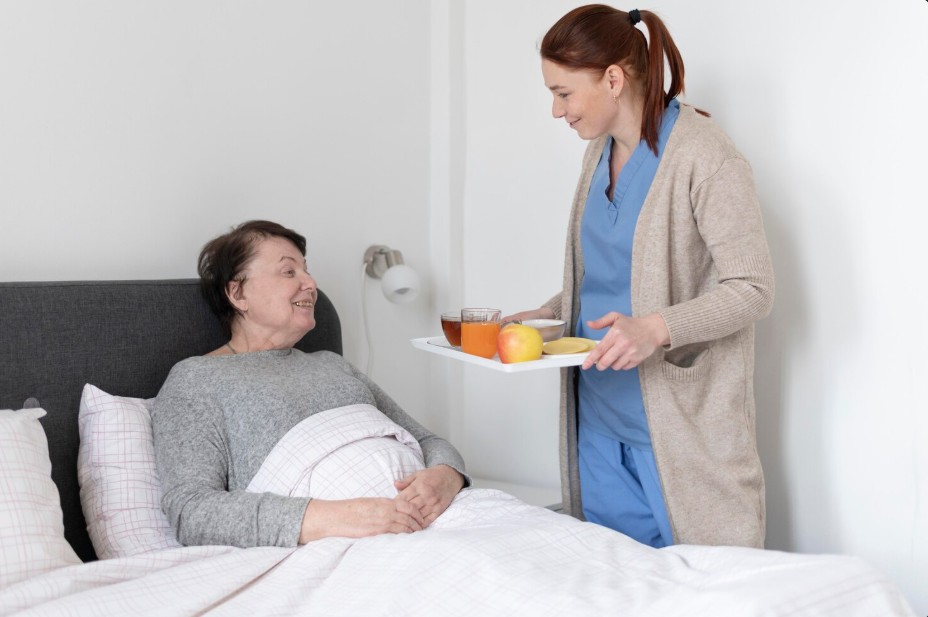
Coming home after a hospital stay often brings relief, but recovery does not end at discharge. The days and weeks that follow are crucial for proper healing. Without careful monitoring, medication management, and hygiene support, complications can arise.
Understanding how to manage recovery at home helps reduce readmission risks and ensures a smoother healing process.
Understanding Post-Discharge Needs
Every patient’s recovery plan depends on the condition treated, type of procedure performed, ปวดสะบักหลัง and overall health. Some may require wound care, while others need mobility support, medication supervision, or regular monitoring of vital signs.
Before leaving the hospital, ensure you understand:
• Prescribed medications and dosage
• Wound care instructions
• Activity restrictions
• Follow-up appointments
• Warning signs to watch for
Clear discharge instructions are essential for safe recovery.
Managing Medications Safely
Medication errors are one of the most common causes of complications after discharge.
• Follow the exact schedule provided
• Do not skip doses
• Avoid mixing medicines without approval
• Use reminders if necessary
If managing multiple medications becomes confusing, structured nursing care can help ensure proper administration and monitoring.
Supporting Wound Care and Hygiene
If the patient has surgical wounds, stitches, or dressings:
• Keep the area clean and dry
• Change dressings as instructed
• Watch for redness, swelling, or discharge
• Avoid unnecessary pressure on the wound
Proper hygiene reduces infection risk and supports faster healing.
For patients who require assistance with bathing, mobility, or dressing changes, arranging home support can make daily care more manageable.
Monitoring for Complications
After discharge, closely observe for:
• Fever
• Increased pain
• Shortness of breath
• Swelling in limbs
• Confusion or weakness
• Unusual bleeding
Any sudden change in condition should not be ignored. Early medical review prevents serious complications.
If a follow-up evaluation is required but hospital visits are difficult, a doctor review at home can ensure continued monitoring.
Encouraging Safe Mobility
Prolonged bed rest can delay recovery. Encourage gentle movement as advised:
• Assist with short walks
• Prevent sudden standing
• Use support rails if necessary
• Ensure a clutter-free environment
Gradual activity improves circulation and reduces the risk of blood clots.
Emotional and Mental Support
Hospital stays can be physically and emotionally exhausting. Patients may feel weak, anxious, or dependent. Providing reassurance, maintaining routine, and encouraging independence when possible supports overall well-being.
Recovery is not only physical, emotional stability plays an important role.
Ensuring a Smooth Recovery
Post-hospital care requires attention, patience, and consistent monitoring. Following discharge instructions carefully, maintaining hygiene, and responding promptly to warning signs significantly reduce the risk of complications.
With structured care and timely medical supervision, patients can recover safely and comfortably at home.