


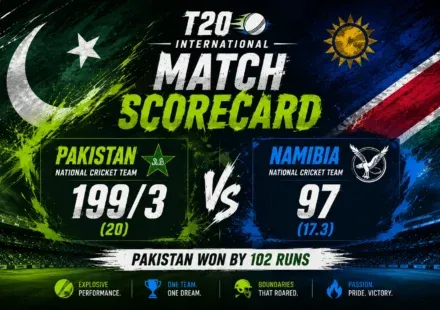
A cricket scorecard records the important numbers produced during an innings. cricketscore.it.com gives readers another place to explore cricket scorecard information while learning how different statistics connect during matches. Runs, wickets, overs, partnerships, extras, bowling figures, and required rates can each explain one part of the contest. Looking at these numbers separately may provide basic information, but connecting them creates a much clearer picture. A scorecard can show whether a team built steadily, lost wickets suddenly, recovered through partnerships, or accelerated during the final overs. Understanding those patterns makes ordinary match statistics much easier to follow.
Check The Match Format
Before reading detailed numbers, readers should identify the format because statistics have different meanings across cricket competitions. Test matches allow longer innings and can continue across several days, while One Day Internationals normally provide fifty overs per side. T20 matches provide only twenty overs, which changes how quickly teams usually need to score. A batter facing thirty balls in a Test match may have a different responsibility from another batter facing thirty balls in a T20 match. Bowling figures also need similar context because economy rates depend partly on the scoring expectations of the format. Checking the format first prevents misleading comparisons between statistics that come from completely different match structures.
Read The Opening Score
The opening score gives readers the first indication of how an innings began. Early wickets can immediately place pressure on the batting side, while a strong opening partnership can create a useful platform for later batters. The number of runs scored during the first few overs can also show whether the batting team started cautiously or aggressively. However, early scoring should not be judged alone because pitch conditions, bowling quality, and match requirements can affect the approach. A low score after several overs may simply reflect careful batting against difficult bowling. Looking at wickets and partnerships alongside the early total gives more useful information about how the innings started.
Follow Middle Overs
The middle overs often reveal how a team manages its innings after the opening stage has finished. Batters may need to rebuild after losing wickets, maintain a steady scoring rate, or prepare for an aggressive final period. Bowlers can also create pressure during these overs by restricting boundaries and forcing batters to take greater risks. Scorecards provide useful clues through individual runs, balls faced, partnerships, and overall run rate. A team scoring steadily without losing wickets may be building a strong platform, while repeated dismissals can interrupt momentum. Understanding this period helps explain why two teams with similar opening scores can eventually finish with very different totals.
Watch Scoring Acceleration
Scoring acceleration becomes particularly important when a batting side increases its run rate during the later part of an innings. Boundaries, quick running between wickets, and aggressive batting can add many runs within a limited number of deliveries. The scorecard may show this through high strike rates, increased boundary counts, and strong final totals. However, aggressive scoring also creates greater dismissal risks because batters often attempt more difficult shots. A team with wickets available can sometimes attack more freely during the final overs. Readers should therefore consider the number of wickets remaining when interpreting a rapid increase in scoring. The same run rate can have different meanings depending on the resources available.
Study Dismissal Timing
The timing of wickets can explain major changes in an innings that the final score alone cannot reveal. Losing an established batter soon after a strong partnership may interrupt momentum and force another player to rebuild. Several wickets falling within a short period can create a collapse even when the team previously appeared comfortable. On the other hand, losing wickets only during the final overs may have less effect when a large total has already been established. The fall of wickets section helps readers identify these patterns. Comparing dismissal timing with partnerships and scoring rates can show exactly when the batting team’s situation changed.
Examine Boundary Counts
Boundary statistics provide useful information about how runs were accumulated during an innings. Fours and sixes can show whether a batter relied heavily on attacking strokes or combined boundaries with running between wickets. Two players can score the same number of runs while producing very different boundary totals. One might score through frequent fours, while another could rely more heavily on quick singles and doubles. These differences can help explain batting styles within the same innings. Boundary counts should still be considered with balls faced because a large number of boundaries from relatively few deliveries describes a different type of innings from the same number of boundaries spread across a much longer stay at the crease.
Compare Batting Contributions
A team total can hide significant differences between individual batting contributions. One player may score a large share of the runs while other batters contribute smaller but important totals. Another innings may involve several medium sized partnerships where no single batter dominates the scorecard. Both patterns can produce competitive totals under different conditions. Readers can examine individual runs, balls faced, strike rates, boundaries, and partnerships to understand how the total was constructed. Lower order contributions can also become important when early wickets reduce the number of established batters available. Looking at the complete batting section provides more context than focusing only on the highest scorer.
Understand Bowling Pressure
Bowling figures can explain how effectively a team restricted scoring even when the wicket column does not look impressive. A bowler who concedes very few runs may create pressure that allows another bowler to take wickets at the opposite end. Economy rate, maidens, overs completed, and runs conceded can therefore be useful alongside wickets. A short spell with one wicket may have changed the innings significantly, while another bowler may have completed many overs economically without taking a dismissal. Readers should consider the combined bowling figures rather than deciding that wickets alone explain bowling performance. Match conditions can also influence how difficult particular spells were for the bowlers involved.
Look At Extras
Extras can become an important part of an innings when the total number becomes unusually high. Wides and no balls provide additional scoring opportunities and may also give batters another delivery. Byes and leg byes contribute to the team total without being credited to the batter. A team receiving many extras may therefore have a higher total than its batting figures initially suggest. Bowling discipline can also become easier to understand by checking these numbers. Extras should not automatically be treated as negative because their importance depends on the match situation. However, unusually high extras can explain differences between the combined batting scores and the final team total.
Understand Partnerships
Partnerships provide a useful way to understand how two batters maintained or changed the direction of an innings. A partnership after early wickets may stabilize the team and prevent a rapid collapse. Another partnership during the final overs may increase the total through aggressive scoring. Partnership length can also reveal periods when the bowling side struggled to create dismissals. Readers should compare partnership totals with the fall of wickets because these sections complement each other. A large partnership followed by several quick wickets can produce a very different innings pattern from several smaller partnerships spread throughout the batting order. This information makes the scorecard more useful for understanding match flow.
Track Required Scoring
Required scoring becomes especially important when one team is chasing a target during a limited overs match. The required run rate indicates how quickly the batting team needs to score to reach the target within the remaining deliveries. This number can increase sharply when wickets fall or when several overs produce relatively few runs. However, required rate should never be considered alone because wickets remaining provide another major part of the situation. A team needing ten runs per over with eight wickets available may have different options from a team needing the same rate with only two wickets left. Remaining balls, wickets, and current scoring momentum should therefore be considered together.
Compare Target And Progress
A chasing team can be understood more clearly by comparing its current score with the target and remaining overs. Readers can identify whether the team is ahead, behind, or close to the expected scoring pace. The required rate provides one numerical measure, while partnerships and wickets explain whether the chasing side has enough batting resources available. A strong partnership can reduce pressure quickly when boundaries and regular singles continue arriving. Conversely, a sudden wicket can change the situation even when the required rate has not changed dramatically. Following these details helps readers understand why a chase can appear comfortable at one point and difficult only a few overs later.
Notice Fielding Contributions
Scorecards often focus heavily on batting and bowling, but fielding also influences how an innings develops. Catches, stumpings, run outs, and other dismissals can change the match without always appearing as large headline statistics. A sharp catch can remove a batter who was building a strong partnership, while a missed opportunity may allow additional runs later. Some scorecards identify catches and wicketkeeping contributions beside dismissal information. Readers can use these details to understand how wickets were created. Fielding statistics may not describe every aspect of defensive work, but they can still reveal important moments that influenced the final innings total.
Use The Scorecard Contextually
A scorecard becomes most useful when readers connect several sections instead of reading one statistic in isolation. A batter’s fifty runs, for example, becomes more meaningful when readers know how many balls were faced, how many boundaries were scored, and when the runs occurred. A bowler’s three wickets become easier to understand when readers also see the runs conceded, overs completed, and dismissals created. Partnerships explain relationships between individual performances, while fall of wickets shows how the innings changed over time. Combining these details turns a collection of numbers into a basic match narrative. Readers can then understand not only what happened, but also how different performances contributed to the final result.
Conclusion
Cricket scorecards contain enough information to explain many important moments without requiring complicated statistical knowledge. Opening scores, middle overs, scoring acceleration, dismissal timing, boundaries, partnerships, bowling pressure, extras, required rates, and fielding contributions all add different forms of context. Comparing these details across both innings can reveal how the match changed from one stage to another. The format should always be considered because the same statistic can have different importance in different competitions. cricketscore.it.com can provide additional cricket scorecard information for readers who want to understand match numbers and follow the details behind changing match situations. With regular practice, scorecards become useful tools for seeing how runs, wickets, and decisions combine to shape cricket matches.
Read also :-
england cricket team vs australian men’s cricket team timeline