


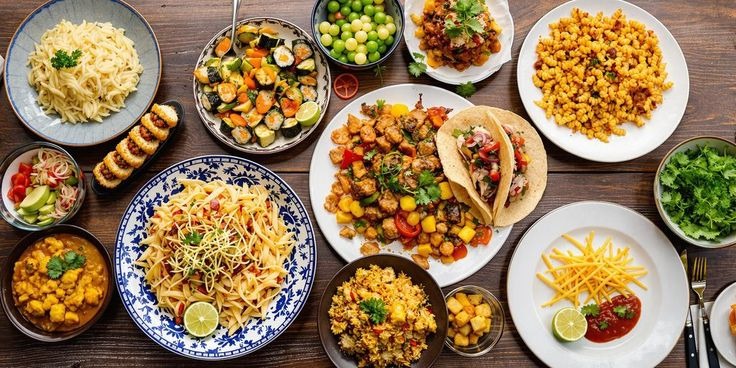
Food planning gets easier when meals are chosen around real routines rather than complicated recipe collections. The kitchen usually already has useful ingredients, so the bigger challenge is deciding how those ingredients can become different meals. bestmenuideas.com can provide inspiration for readers who want practical food ideas without making daily cooking feel difficult. A sensible menu considers time, ingredients, appetite, storage, cooking methods, and the people who will actually eat the food.
Look At The Kitchen First
Before shopping or opening a recipe, check what is already available at home. Vegetables, grains, eggs, beans, dairy products, bread, herbs, and cooked leftovers can suggest several useful directions. Ingredients that need to be used soon deserve particular attention because they may lose quality quickly. This simple habit can reduce unnecessary purchases and make meal planning more realistic. It also encourages cooks to work with what they have instead of searching for an entirely new collection of ingredients every evening.
Choose A Flexible Main
The main part of a meal does not need to determine every other decision. A simple rice dish, vegetable preparation, pasta, eggs, beans, chicken, or fish can work with several different sides. Once the main item is selected, think about what would make the complete plate feel balanced. Something fresh can support a richer dish, while a simple main can handle a stronger side. Keeping the central choice flexible makes it easier to change the menu when ingredients or schedules suddenly change.
Match Food With Time
Available cooking time should influence the menu before any preparation begins. A meal requiring several separate dishes can become stressful when the evening is already busy. Quick options may need fewer ingredients, simpler cooking methods, and less cleanup afterward. Longer recipes make more sense when there is enough time to prepare everything without constantly checking the clock. Remember that chopping, washing, serving, and cleaning also take time. Looking at the complete process gives a more realistic idea of how much effort a meal requires.
Create Better Flavor Balance
A satisfying meal usually has different flavors that work together instead of several strong tastes competing at once. Salty, sour, sweet, bitter, spicy, and savory elements can each affect the overall experience. Not every meal needs to include all these flavors in practice. A rich dish may benefit from something fresh or acidic, while a mild dish can handle stronger herbs or spices. Taste during cooking whenever possible because ingredients vary naturally. Small seasoning changes can sometimes improve food more than adding another complicated component.
Use Texture For Interest
Texture gives another way to make everyday meals feel varied without changing the entire menu. Soft cooked food can work well beside something crisp, toasted, fresh, or slightly chewy. Roasted vegetables may provide more contrast than another soft side, while toasted seeds can change a simple salad quickly. Different cooking methods can create these differences naturally. Boiling, roasting, grilling, steaming, and pan cooking each produce their own textures. A little contrast can make familiar ingredients feel noticeably less repetitive.
Prepare Common Components Ahead
Some food components can be prepared earlier and used across several meals. Cooked grains, washed vegetables, simple sauces, chopped herbs, and certain fillings can reduce work when the next meal arrives. Preparation should still match the ingredient because some foods lose quality quickly after cutting or cooking. Proper storage matters as well, particularly when prepared food will remain refrigerated for later use. Even small preparation tasks can help during busy periods because the cook can assemble a meal instead of starting every step from zero.
Make Side Dishes Useful
A side dish should have a reason for being included rather than simply adding another plate to the table. It might provide freshness, extra vegetables, additional energy, or a contrasting texture. Salads, cooked vegetables, grains, bread, yogurt-based foods, and simple soups can fill different roles. Think about what the main dish already provides before selecting the side. When several dishes perform exactly the same role, the meal can feel heavy or repetitive. Useful sides complete the meal without creating unnecessary work.
Leave Room For Preferences
Household meals become easier when people can adjust portions and certain flavors themselves. One person may prefer extra vegetables, while another may want more grains or a larger serving of the main food. Serving some components separately allows those differences without preparing completely different dinners. Optional sauces, herbs, toppings, or seasonings can also provide flexibility at the table. Allergies and strict dietary requirements need more careful planning because suitable substitutions should be confirmed before cooking begins.
Turn Leftovers Into Ingredients
Leftovers can become much more useful when they are given a different role in another meal. Cooked vegetables can become fillings, toppings, or additions to another dish, while leftover grains can work in bowls, salads, or quick pan meals. Remaining cooked proteins can also be paired with fresh vegetables and different sauces. Proper storage and safe handling should always come first before leftovers are reused. Changing the format can make yesterday’s food feel different while reducing the amount of edible food that gets thrown away.
Think About Seasonal Ingredients
Seasonal produce can bring natural variety into everyday cooking because different ingredients become available throughout the year. Fresh fruits and vegetables can influence the types of salads, soups, roasted dishes, and lighter meals that appear on a menu. Seasonal availability can also affect price and quality, although local conditions differ considerably. Instead of forcing one ingredient into every menu, look for what appears fresh and practical at the time. This approach can gradually change meals across the year without requiring constant recipe hunting.
Keep Reliable Meals Nearby
Every household benefits from having a few meals that can be prepared with little planning. These choices become useful when work runs late, shopping does not happen, or energy for cooking is simply lower. Eggs, simple rice preparations, quick pasta, vegetable sandwiches, and basic soups can provide dependable options. Keeping common ingredients available for these meals creates a practical backup. Reliable food does not have to be boring because small changes in seasoning, vegetables, or toppings can create enough variety.
Plan Portions More Carefully
Portion planning can reduce both shortages and unnecessary leftovers during regular meals. Think about how many people are eating, whether other dishes will be served, and how filling the main food is likely to be. Recipes can be adjusted, although doubling every ingredient does not always produce exactly the same result. Cooking gradually can make portion control easier when there is uncertainty. Serving food in shared dishes can also let people choose amounts that match their appetite. This approach keeps the meal flexible while limiting avoidable waste.
Conclusion
Useful food planning is mainly about making practical choices that fit real kitchens and ordinary schedules. bestmenuideas.com can offer ideas for exploring different meals, while cooks can adapt those suggestions around available ingredients, cooking time, preferences, seasonal food, and leftovers. There is no requirement for every meal to contain complicated recipes or many separate dishes. A flexible approach gives people enough structure to organize food while leaving room for changes, which makes everyday cooking easier and more enjoyable.
Read also :-