


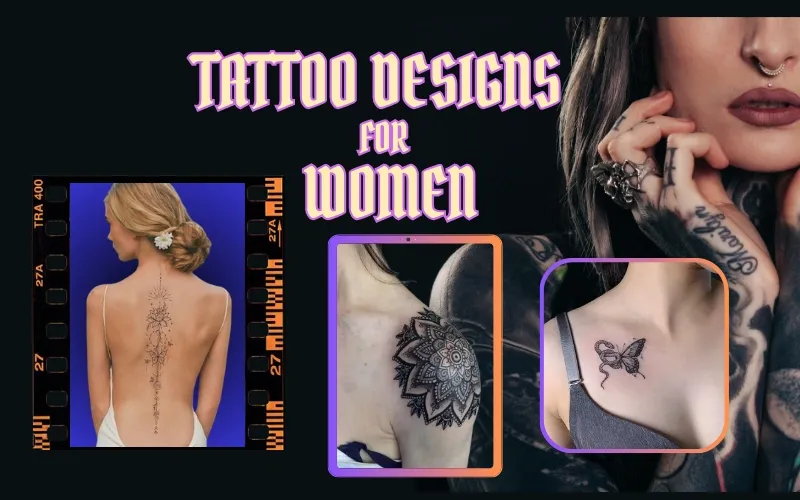
Tattoo placement changes how artwork looks, feels, and fits into everyday life. On bestsimpledesign.com, readers can explore tattoo ideas while considering the practical details that affect placement. A design that suits the forearm may not work equally well on the ribs, ankle, or shoulder. Body shape, movement, clothing, and personal preferences all influence the final result. Some people want visible artwork, while others prefer a location that stays covered most of the time. Neither choice is automatically right for everyone. It helps to consider the design and the intended location together rather than choosing them separately. A little planning can prevent sizing problems and make the final tattoo feel more natural.
Match Design And Location
The shape of the artwork should work with the natural lines of the body. Long designs may fit comfortably along the forearm, calf, or spine, while compact symbols can suit smaller areas. Circular artwork often needs enough space to remain balanced without being squeezed into an awkward shape. Large illustrations usually require broader areas if their details are meant to remain visible. Ask the artist to show how the design will sit on your chosen location. A stencil can help you understand its proportions before the tattoo begins. Check the design while standing naturally, since posture may change how the artwork appears. Making adjustments before the session is easier than wishing the placement were different afterward.
Think About Daily Visibility
Some tattoo locations remain visible during ordinary activities, while others are usually covered by clothing. The forearm, wrist, hand, and neck can be difficult to conceal in certain settings. The upper arm, thigh, shoulder, and back may offer more flexibility depending on clothing choices. Consider workplace expectations, family preferences, and your own comfort with visible body art. These factors do not need to control your decision, but they deserve honest consideration. A tattoo should fit the life you expect to lead, not only the outfit you are wearing today. If you are unsure, try wearing a temporary design in the intended location for several days. This can provide a practical sense of how visible it feels.
Understand Pain Differences
Tattoo discomfort varies between individuals and locations. Areas with thinner skin, more prominent bones, or greater nerve sensitivity may feel more uncomfortable for some people. Ribs, ankles, hands, and certain parts of the spine are commonly described as challenging locations. Areas with more muscle or padding may feel more manageable, although personal experiences differ. The size of the design and length of the session also influence discomfort. Avoid choosing a placement based only on someone else’s pain rating. Ask the artist what to expect and discuss breaks if the appointment will be long. If you feel unwell during the session, communicate with the artist rather than trying to ignore the problem.
Consider Skin Movement
Skin stretches and moves differently across the body. Areas around joints may change shape when you bend your arms, knees, or fingers. This movement can affect how lines and shapes appear in different positions. Before confirming placement, examine the area while standing, sitting, and moving naturally. Ask the artist whether the design needs to be adjusted for the location. A symmetrical design may require careful positioning so that it looks balanced during ordinary movement. Placement should also consider the space needed for the artwork to remain readable. The aim is not to eliminate natural movement but to choose a location where the design works comfortably with the body.
Plan For Clothing And Activities
Daily routines can influence which tattoo locations are practical. People who wear long sleeves most days may prefer artwork on the arm or shoulder, while others may want a design that remains visible. Sports, manual work, and frequent exposure to sunlight can affect comfort during healing. Tight clothing may rub against a fresh tattoo, so the placement should allow suitable aftercare. Consider whether backpacks, belts, footwear, or protective equipment will repeatedly press against the area. These details may seem minor before the appointment, but they can become irritating during recovery. A suitable placement should work with your normal routine rather than create avoidable difficulties.
Ask About Healing Requirements
Different locations may require slightly different care depending on movement, friction, and exposure. A tattoo near a joint may be stretched frequently during daily activities. Areas covered by clothing can become irritated if fabric rubs against healing skin. Follow the artist’s instructions for cleaning and protecting the tattoo. Avoid swimming and activities that may expose the fresh tattoo to contamination until the artist says it is appropriate. Watch for unusual swelling, spreading redness, worsening pain, or other concerning symptoms. Seek medical advice if these signs develop rather than attempting to treat a possible infection yourself. Understanding the recovery period helps you choose a placement that suits your schedule.
Review Placement Before Tattooing
Before the needle touches your skin, take time to review the stencil carefully. Check the size, angle, distance from nearby features, and alignment with the body’s natural shape. Look at the placement from several angles instead of checking only through a mirror directly in front. Ask for small adjustments if something feels unbalanced or different from your expectations. A professional artist should be willing to discuss reasonable changes before beginning. Never feel pressured to approve a placement you do not understand. Confirm the final design and location clearly before the session starts. Careful review provides reassurance and helps avoid preventable disappointment with permanent artwork.
Conclusion
Choosing tattoo placement involves more than deciding where the artwork looks attractive. Size, body movement, visibility, discomfort, clothing, and healing requirements all deserve attention. Readers exploring bestsimpledesign.com can use these points to compare tattoo locations more thoughtfully. Discuss your preferred design with a qualified artist and review the stencil before the session begins. Consider your daily routine and allow enough space for the artwork to remain clear. A suitable placement helps the tattoo fit naturally with your body and personal preferences.
Read also :-
male mehndi design simple arabic