


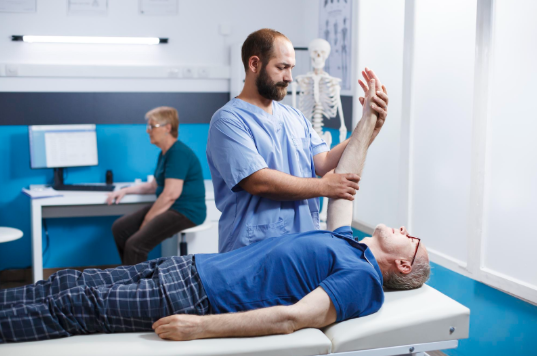
When it comes to restoring mobility, reducing pain, and improving quality of life, orthopedic surgery can be a life-changing decision. However, the success of any surgical procedure depends greatly on the expertise of the surgeon and the quality of the facility where the surgery is performed.
Choosing the right orthopedic surgeon and hospital is one of the most important steps in your treatment journey, and it requires careful consideration.
1. Evaluate the Surgeon’s Experience and Specialization
The first step in selecting the right orthopedic surgeon is to assess their experience and area of specialization. Orthopedic surgery covers a wide range of treatments, from joint replacements and sports injuries to spinal corrections and fracture repairs. Look for a surgeon who specializes in the specific type of procedure you need.
For example, if you are considering a knee replacement, choose a surgeon with extensive experience in joint reconstruction. Reviewing their years of practice, patient outcomes, and certifications can help you gauge their level of expertise.
2. Check Credentials and Board Certifications
Board certification is an important factor that indicates a surgeon’s competence and training. Certified orthopedic surgeons have completed rigorous education, residency programs, and examinations to ensure they meet national standards. You can also verify their credentials through medical boards or hospital websites.
A surgeon’s professional affiliations, such as membership in orthopedic associations, can further demonstrate their commitment to maintaining high standards in orthopedic surgery and patient care.
3. Assess the Facility’s Reputation and Technology
The hospital or surgical center where your orthopedic surgery takes place plays a crucial role in your recovery and overall experience. Choose a facility known for its cleanliness, safety standards, and advanced technology. Modern hospitals often offer state-of-the-art equipment and minimally invasive surgical options, which can reduce pain and recovery time.
Additionally, a facility that provides comprehensive care—from diagnosis and imaging to rehabilitation—ensures a smoother and more efficient treatment process.
4. Consider Patient Reviews and Recommendations
Patient feedback can offer valuable insights into both the surgeon and the facility. Reading online reviews or talking to former patients can help you understand the level of care, communication style, and overall satisfaction of others who have undergone similar procedures.
Positive experiences often indicate a compassionate surgeon who listens to patients and a facility that prioritizes comfort and recovery. Recommendations from family doctors or friends can also guide you toward trustworthy professionals.
5. Evaluate Post-Surgery Care and Support Services
Successful recovery after orthopedic surgery depends not only on the procedure itself but also on the quality of post-operative care. Choose a facility that offers physical therapy, pain management, and follow-up consultations as part of their recovery program.
A surgeon who stays engaged throughout your rehabilitation process ensures that you heal properly and regain full mobility. Access to support services, such as counseling and exercise programs, can further enhance your recovery experience.
Final Thoughts
Selecting the right orthopedic surgeon and facility is an essential step toward achieving the best possible outcome from your orthopedic surgery. By evaluating experience, checking credentials, considering facility quality, and focusing on post-surgery care, you can make a confident and informed decision.
With the right team and environment, you can look forward to a smoother recovery, improved mobility, and a better quality of life.