


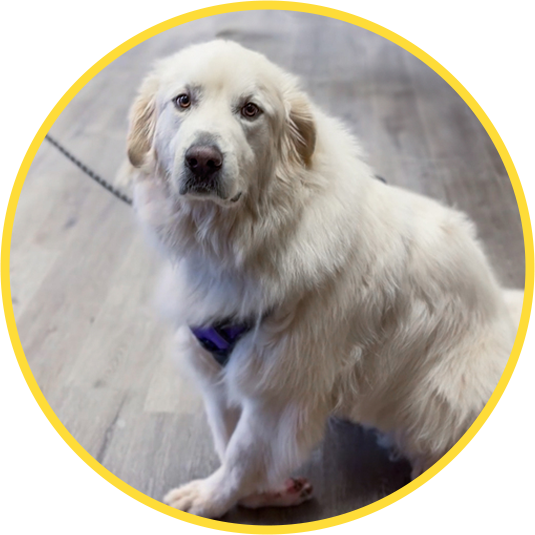
Animals may suffer injuries or disabilities that make movement difficult. Artificial limbs allow animals to travel and walk, reducing pain and usually preventing further injury. They allow pets to move independently and feel more secure.
A prosthetic device supports balance, stability, muscle strengthening, self-confidence, and emotional well-being. Prosthetics can also enable interaction, play, and long-term independence. With proper home care, therapy, a safe environment, and a reliable animal prosthetic service, pets can live happy and active lives again.
Key Ways Prosthetic Devices Help Animals During Rehabilitation
Here are the key points:
1. Restore Mobility and Walking Ability
Prosthetic devices enable animals to walk and run after losing a limb or damaging their joints. Prosthetic devices allow more natural movement, reducing strain on other body parts and improving overall function. In some cases, surgery may also restore mobility. Mobility restoration also assists a pet in retaining muscle mass and joint well-being. This renewed mobility often brings joy and helps pets return to their normal daily routines more confidently.
2. Reduce Pain and Discomfort
Weakness or limb loss often forces animals to overcompensate, straining other joints and muscles. Prosthetics can help by reducing the pain during movement so the pet can do their daily activities without discomfort. As time goes by, a reduction in pain may improve the behavior and quality of life, motivating the pet to participate in play and exercise. Less pain also means fewer health complications in the long run, supporting overall recovery.
3. Prevent Further Injuries
Without support, animals can suffer secondary injuries from an unbalanced gait or overuse of healthy limbs. Stabilization reduces muscle strain, lowers joint pressure, and decreases the risk of falls during recovery. Recovery pets, elderly pets, or pets post-surgery benefit most from stabilization, which helps lower the risk of further injury. This protection allows pets to heal properly and maintain better physical condition as they age.
4. Improve Balance and Stability
Pets with mobility challenges often struggle to maintain balance. A properly fitted prosthetic enhances posture, stability, and coordination. This enables pets to safely navigate stairs and uneven surfaces and play without falling. Their independence also increases as they can more easily perform routine activities such as sitting, standing, and climbing. With greater stability, pets also gain the courage to explore new spaces and activities.
5. Support Physical Therapy and Strengthening
Prosthetics are effective when used together with light exercises or treatment. Pets build muscle and adapt to the prosthetic through controlled walking, stretching, and physiotherapy. Guided exercises should be performed regularly to avoid stiffness and enable the body to adjust to its long-term rehabilitation objectives. This combination of therapy and prosthetics greatly speeds up recovery and improves quality of life.
6. Boost Confidence and Mental Well-being
Most animals are frightened and nervous when hurt or lose a limb. By letting them move and play, prosthetics can reduce stress and boost their confidence. Exercise benefits a pet’s health, strengthens their bond with the owner, and supports mental healing. When pets feel capable again, their bond with family members often becomes even stronger.
7. Enable Social Interaction and Play
Disabilities may limit how pets interact with other animals. So, prosthetics help disabled pets stay active and mobile. This lets them connect with their family, make friends, and have fun, all of which are important for their emotional health. Pets also get exercise and mental stimulation from playing and interacting with other pets. Active social interaction ensures pets do not feel isolated or left behind.
8. Long-Term Support and Independence
A responsive prosthetics service provides continuous support, adjustments, and alterations as your pet ages or their requirements shift. This type of support is long-term and permits pets to remain independent and continue living. Regular adjustments to the device help maintain activity levels. Over time, this consistent care helps pets lead stable, happy, and independent lives.
Conclusion
Prosthetic devices are crucial for rehabilitating animals with injuries or disabilities. They can enable pets to regain mobility, ease pain, avoid further injuries, and keep the body steady and stable. Combined with physical therapy, they strengthen muscles, build confidence, and improve mental health. Prosthetics also allow social play and give long-term independence. Owners can help pets regain freedom, happiness, and an active, fulfilling life by using professional prosthetic services, providing therapy, and maintaining a safe home environment.